Imagine the possibilities if you could validate leads the moment they enter your CRM. And all that without exhausting your SDRs or making prospects wait!
A system working 24/7, across time zones, qualifying leads, answering questions, and booking meetings at scale. It could change your entire lead workflow, don’t you think?
Faster follow-up usually means better conversions. But can you really scale sales engagement without increasing your headcount or compromising on conversation quality? Most sales teams have invested heavily in CRMs and marketing tools yet leads still get stuck at the top of the funnel. Or worse, businesses lose them before anyone makes contact. But why does that happen? Here are some of the reasons:
- SDRs manually qualifying every lead
- Follow-ups happening late or inconsistently (especially after hours)
- Marketing passes the lead, but sales fumbles the follow-up.
- Sales reps spending valuable time on unqualified or low-intent leads.
These inefficiencies compound, leading to slower pipeline velocity, extended sales cycles, and drained resources.
So, what is automated lead engagement, really?
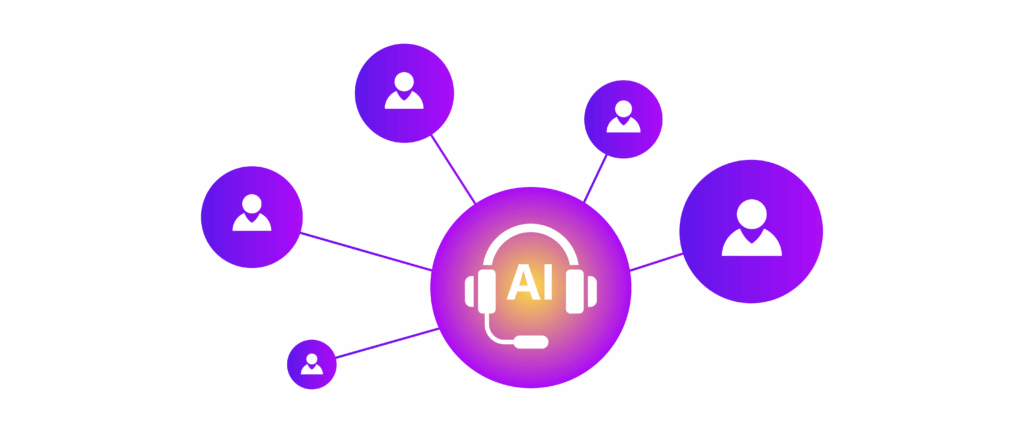
Automated lead engagement is a system where AI-powered, voice-enabled technology connects with leads immediately, qualifying them in real time. These systems handle initial conversations, address common objections, and schedule meetings. This streamlines the sales funnel and improves lead response efficiency from the very first interaction.
Following are some of the most important considerations to keep in mind while automating lead engagement with AI agents:
- AI should be designed to effectively manage unpredictable conversations, since prospects don’t always follow scripts.
- Maintaining a human element within automated calls is essential to keep prospects engaged and build trust.
- High-quality leads need to be transferred seamlessly to sales representatives at the right moment, without losing context or momentum.
- Legal compliance is critical. Automated calls must adhere to regulations to avoid penalties and preserve customer trust.
These systems require careful setup, integration, and ongoing monitoring to perform optimally.
When implemented properly, automated lead engagement can significantly reduce lead response times, sometimes by days, while giving SDRs time to focus on closing qualified opportunities, ultimately increasing overall sales productivity.
What exactly are AI sales calling agents?
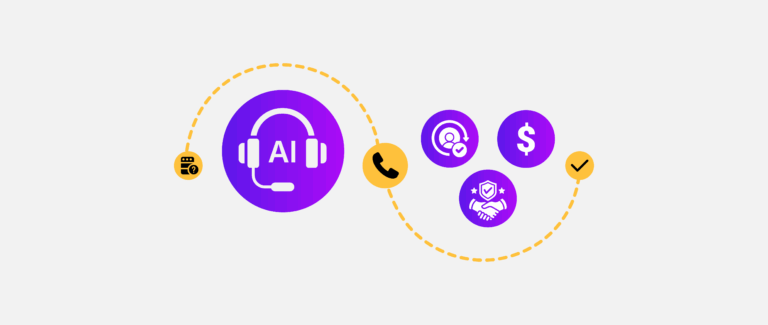
AI calling agents are automated sales development representatives powered by artificial intelligence and natural language processing. They instantly reach out when someone submits a contact form, requests a demo, or display online buying signals, engaging prospects with real-time, conversational phone calls.
Still not sentient but reliably following up on every high-intent lead!
These agents qualify leads by asking relevant questions, handle common objections, and schedule meetings, all without human intervention, ensuring immediate follow-up and higher lead conversion rates.
They can:
- Call leads within seconds
- Have natural-sounding conversations using smart language tech
- Ask qualifying questions based on your sales framework (like BANT or CHAMP)
- Handle common FAQs and objections
- Pass hot leads straight to your human reps
- Follow up with emails or texts
- Automatically log everything into your CRM
This means your team responds faster, connects with more qualified leads, and spends less time chasing dead ends. And because prospects get quick, thoughtful responses, they feel valued and are more likely to keep talking.
Simply put, AI calling agents make your sales process faster, smarter, and more personalized.
Why is automated lead engagement important for successful sales?
In sales, timing is everything.
Automated lead engagement tools connect with prospects the moment they show interest. This immediate outreach prevents leads from going cold and captures their attention when they’re most receptive.
Beyond speed, these systems qualify leads by asking targeted questions and handling common objections, so your sales team can prioritize truly promising opportunities. The result is a more efficient sales process, shorter sales cycles, and better use of resources.
Metric | Traditional Lead Engagement | Automated Lead Engagement (AI Sales Agents) |
Speed to Lead | Several hours to days before outreach | Within seconds or minutes of lead capture |
Lead Qualification | Manual, time-consuming, prone to delays | Automated and real-time qualification based on set criteria |
Lead Response Consistency | Inconsistent, depends on SDR availability | Consistent, 24/7 immediate outreach |
MQL to SQL Conversion | Lower due to slow follow-up and lead drop-off | Higher due to faster, targeted engagement |
Sales Cycle Length | Typically longer, with potential delays | Shorter due to faster qualification and meeting scheduling |
Sales Rep Workload | Overloaded with follow-ups on unqualified leads | Focused on high-quality leads, reducing wasted effort |
Follow-up Coverage | Limited by human capacity | Automated follow-ups via calls, emails, and texts |
Data Accuracy & CRM Logging | Manual entry, prone to errors and delays | Automatic logging and real-time updates |
Scalability | Limited by headcount and hours worked | Scales flexibly with lead volume and demand |
Customer Experience | Potentially slower and less personalized | Faster responses with natural, conversational AI |
Cost Efficiency | Higher cost per lead due to manual effort | Improved efficiency lowers cost per qualified lead |
Impressive, right? But you don’t achieve results like these just by switching the system on. Clear qualification rules, strong routing logic, and regular performance reviews are essential to ensure the system runs smoothly.
The tool comes pre-trained and ready to deploy, minimizing setup time. Still, ongoing monitoring and fine-tuning based on real-world outcomes are necessary to maintain accuracy and alignment with sales goals. It’s an ongoing process to keep the system sharp and effective.
How do AI calling agents add value into sales workflow after integration?
AI calling agents fit directly into your existing sales workflow, enhancing speed, consistency, and efficiency. Here’s how they add value at every stage:
- Inbound form submissions: When a lead submits a form, the AI calls within seconds, engaging them while interest is high and before competitors can respond.
- Live chat follow-up: After a website chat, the AI follows up with a phone call to continue the conversation, qualify the lead, and schedule a meeting, ensuring no opportunity is lost once the chat ends.
- Email & SMS engagement: If a prospect clicks a link, replies to a message, or reaches a target lead score, the AI initiates a call to convert that intent into a real-time conversation.
- Reactivating cold leads: AI agents can run outbound campaigns to re-engage leads who’ve gone quiet, bringing them back into your pipeline without extra work for your team.
All call activity, including conversation outcomes and scheduled meetings, is automatically recorded in your CRM and synced with calendar tools. This eliminates the need for manual data entry, ensures complete visibility, and allows your sales team to focus on selling rather than administrative tasks.
What benefits to expect after automating lead engagement?
Once AI calling agents are fully part of your sales process, you’ll see results that actually impact your pipeline. You will see measurable improvements in how efficiently leads are engaged, qualified, and moved through the funnel.
- Speed-to-lead improvement
What once took hours, or even days, now happens in seconds. Instant outreach increases connection rates and improves the odds of conversion. - More qualified meetings, less lead loss
Every inbound lead gets a timely follow-up, leading to a higher volume of qualified meetings and fewer missed opportunities. - 24/7 availability
AI agents operate 24/7, ensuring no lead is left waiting, even outside business hours or across time zones. - Higher rep productivity
SDRs and AEs can focus on selling, not screening. Time spent on repetitive qualification is reduced, freeing your team to close more deals. - Better conversations and smoother handoffs
Prospects get fast, relevant responses, and when it’s time to loop in a rep, AI provides full context, no need for prospects to repeat themselves. - Stronger pipeline visibility and sales forecasting
With every interaction tracked and qualified consistently, sales leaders gain clearer insight into pipeline health and deal velocity.
Ultimately, automated lead engagement is all about doing the right things at the right time, with greater consistency and less manual effort.

Closing the loop
AI calling agents speed up your sales process by cutting response times, increasing qualified meetings, and freeing your SDRs to focus on closing deals.
That said, success requires clear qualification criteria, smart escalation, and ongoing optimization to keep leads engaged and avoid missed opportunities.
If slow follow-ups, inconsistent outreach, or an overwhelming number of leads are holding you back, automated lead engagement is worth a serious look. Start small, measure everything, and grow from there.
Because, in a world where every second counts and buyers expect instant answers, can your sales team afford to wait?
If not now, when? And if not AI, then what?